Your page will be ready in a few seconds...
 SportFin
Targeting health and physical activity interventions to the most vulnerable in our communities - a Healthworks case study
Sport and physical activity have long been hailed as essential allies in our quest for better health, acting as powerful preventatives against a myriad of chronic diseases.
Extensive research consistently reveals that engaging in physical activities not only boosts our physical well-being but also enhances mental health, establishing a clear connection between the intensity of these activities and the improvements in health outcomes.
But amidst this wealth of information, a pressing question arises: How do we discern which initiatives are truly making a difference?
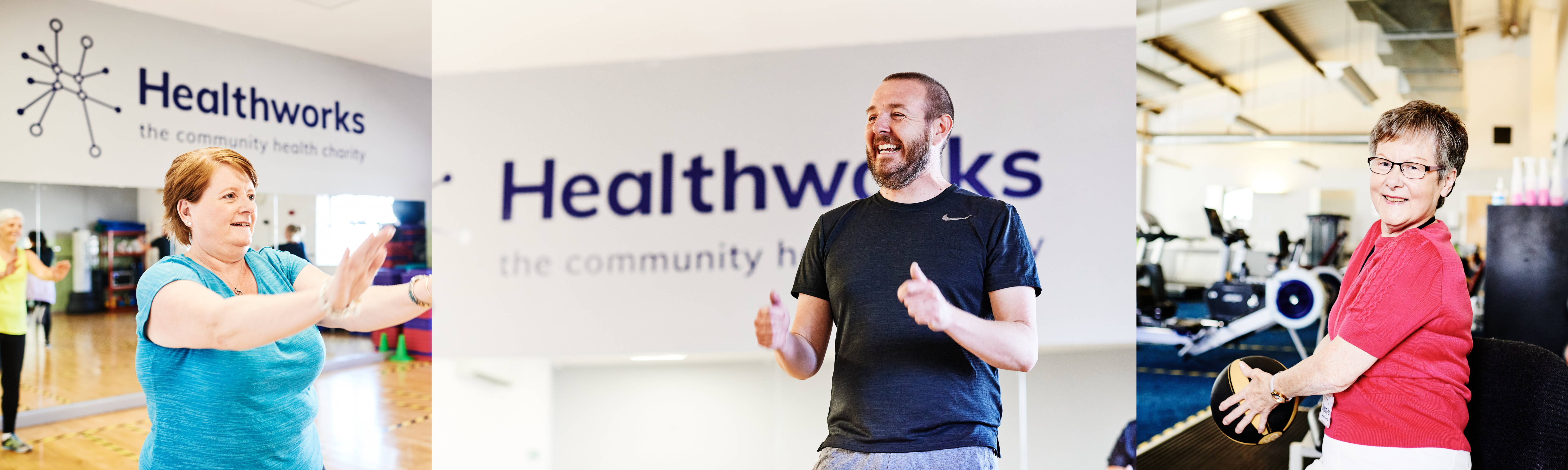
Enter Healthworks, an award-winning North East charity that has been working to improve health in communities for nearly 30 years. With a mission to bridge health inequalities, Healthworks has an array of projects and interventions designed to support and improve the health and wellbeing of individuals, families, and entire communities.
By collaborating closely with local partners, they create innovative, cost-effective strategies that yield sustainable health benefits, tackling the conditions that often diminish our quality of life.
Using SportFin's impact analytics model, Healthworks has been able to establish that it is generating positive outcomes in health for 2,155 individuals through their sports and physical activity programmes - and that if their engagement continues regularly week-on-week, Healthworks can help generate a staggering £41.3 million in long-term cost savings for the NHS in health and social care through its sports and physical activity interventions!
Join us as we explore how Healthworks is redefining how early-prevention through sport and physical activity can be delivered and is empowering communities through the transformative power of sport and physical activity.
Where is the social value coming from?
A majority of the social value generated by Healthworks comes from cost savings related to prevention of chronic diseases and conditions, particularly through the targeted cardiovascular, cancer and dementia risk reduction programmes Healthworks deliver through their Health Improvement Service and Community outreach programmes.
The Health Improvement Service, a combination of Community Health Trainer Services and Primary Care Network (PCN) Health and Wellbeing Coaches, plays a crucial role in improving the health and wellbeing of individuals within the community by identifying individuals at risk of chronic diseases (especially in areas with higher levels of deprivation, where the burden of chronic diseases tends to be higher) and facilitating early physical activity interventions.
Using SportFin's data visualisation tools, Healthworks are able to pinpoint the most disadvantaged areas, ensuring that their programs reach the ‘Core20 population’—those who need it the most. This targeted provision through combination of NHS health checks for some of the most vulnerable people in the local communities, and their referral to engagement in sport and physical activity as an early-prevention mechanism plays a crucial role in the impact Healthworks are able to generate.
When their interventions fall short in certain regions, they can dig deeper to understand why, which is essential for addressing healthcare inequalities. This ensures high effectiveness of Healthworks' interventions. One of the main goals of Healthworks is to engage populations living in areas of multiple deprivation, where access to health-promoting activities is often limited. This focus helps improve access to preventive healthcare for those at the highest risk of poor health outcomes.
Cancer prevention through sport and physical activity
Multiple cohort studies highlight that vigorous physical activity is associated with a reduced risk of breast cancer, particularly among normal-weight women, with a notable ~20% decrease in risk for the most active individuals compared to inactive ones. This protective effect is especially significant for estrogen receptor-negative tumours [1][2].
Unlike other cancer types, such as endometrial cancer, where lower intensity activities showed no significant benefit, breast cancer risk reduction appears to be linked solely to higher intensity exercise [3]. Additionally, while sedentary behaviour was linked to increased cancer risk in other contexts, the relationship for breast cancer primarily emphasises the importance of vigorous activity rather than prolonged sitting or moderate exercise and a significant inverse dose-response relationship has also been found for total physical activity exposure [4].
Interestingly, for colon cancer, much of the protective effect came from engaging in moderate levels of physical activity, rather than intense or vigorous exercise. Research shows that even moderate exercise, such as brisk walking or cycling, can provide significant cancer-preventive benefits. Additionally, as levels of physical activity increased, there was a marked reduction in the risk of developing colon cancer, further highlighting the importance of maintaining an active lifestyle [5].
Healthworks’ targeted focus on engaging middle-aged to older male and female participants in areas of multiple deprivation plays a crucial role in their cancer prevention impacts. Physical inactivity is more common in deprived areas, contributing to higher cancer risks, making initiatives like this particularly important. Their efforts to encourage physical activity among these populations are not only aligned with evidence showing the cancer-preventive benefits of exercise but also tailored to address the specific barriers these communities face, such as lack of access to safe spaces for exercise or health education.
Reducing risk of Dementia and Cognitive Decline through physical activity
Physically active older adults can have up to a 30% lower risk of dementia. Exercise is a modifiable risk factor for dementia, especially in those over 65, and serves as an effective non-pharmaceutical intervention for cognitive maintenance. Various studies show that physical activity can prevent cognitive decline, with open-skill exercise (OSE) being more beneficial than closed-skill exercise (CSE) [6].
Regular physical exercise enhances cerebral blood flow, leading to neurobiological benefits like increased angiogenesis, neurogenesis, and neurotransmitter synthesis. A higher level of physical activity correlates with reduced cognitive decline and neurodegenerative disease risk, positively impacting the volume of critical brain areas. Regular coordination exercise also boosts cognitive function[7].
Healthworks' preventive services, such as NHS Health Checks and the Health Improvement Service, play a crucial role in engaging these populations in regular moderate-to-vigorous intensity activity. These initiatives align with the NHS Long Term Plan (LTP) and the Core20PLUS5 approach. By focusing on early detection and management of conditions like cardiovascular disease, dementia and mental health challenges, these services help prevent the escalation of chronic illnesses, ultimately decreasing the demand for treatments and hospital stays.
Moderate to vigorous aerobic activities for healthy ageing
Healthworks plays a pivotal role in enhancing community well-being through activities such as tai chi, dancing, yoga, and Pilates. These engaging forms of exercise are particularly beneficial for older adults, who can experience significant improvements in various aspects of physical health. Research indicates that dancing, for instance, can lead to enhanced aerobic power, lower body muscle endurance, strength, flexibility, balance, agility, and gait. These improvements are crucial in reducing the risk of falls and cardiovascular health issues [8].
Furthermore, activities like tai chi and yoga promote mental well-being and stress reduction, while Pilates focuses on core strength and overall body conditioning. Such diverse exercise options encourage older adults to remain active, fostering a sense of community and social interaction.
Hence, Healthworks' services, such as the Staying Steady Fall Prevention Program and ESCAPE-pain, are instrumental in reducing costs to the NHS and Social Care while addressing health inequalities in line with the NHS Long-Term Plan (LTP) and the Core20PLUS5 framework.
The Staying Steady program significantly lowers the incidence of falls among older adults, reducing the need for emergency services, hospital admissions, and long-term rehabilitation. ESCAPE-pain helps individuals manage chronic joint pain, decreasing GP visits, specialist referrals, and medication costs.
The positive impact of sustained physical activity is well-documented, with evidence linking regular engagement in aerobic sports to a decreased risk of various cardiovascular diseases, such as coronary heart disease and stroke. Healthworks' commitment to delivering these activities is vital in promoting a healthier lifestyle, ultimately contributing to the prevention and management of cardiovascular conditions. Particularly, their activities being targeted in areas with relatively low healthy ageing indicators further boosts the impact Healthworks are having.
Conclusion
In conclusion, Healthworks shows how focused programmes can help reduce health inequalities, especially in communities that face many challenges. By prioritising early prevention and getting the community involved, they not only improve physical health but also create significant social benefits and save money for the NHS.
Research clearly shows that both vigorous and moderate exercise can lower the risk of serious illnesses like cancer and dementia, highlighting the importance of such programmes. As Healthworks continues to improve its initiatives using data, their work offers hope for better community health. Ultimately, including sports and physical activity in our daily lives is crucial for building healthier, stronger communities and ensuring a better future for everyone.
How does SportFin work?
SportFin, a digital platform, utilises a combination of open government data, Healthworks’ activity and attendance metrics, and a robust social impact analytics model to generate valuable insights about the impact their programmes might be helping generate.
SportFin’s impact analytics model utilises the SIMPLE impact measurement framework and aggregate complexity theory to automate the correlation of sports and physical activity data to outcomes in health, education and societal development.
This model uncovers correlations between sport, physical activity, and health outcomes by analysing a diverse range of input data from 25 organisational, activity, and individual variables, providing up to 61 impact correlations for each participant or volunteer.
The model generates this correlation data by continuously analysing Healthworks’ data against a corpus of academic research on the social impact of sport and physical activity, which is updated regularly to ensure that the insights remain relevant and up-to-date.
